
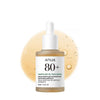
Hyaluronic acid: what it is used for and what the scientific evidence says
, 3 min reading time
, 3 min reading time
Hyaluronic acid is one of the ingredients with the most studies behind it. We tell you what the evidence says about its effectiveness and how to use it properly.
Few facial cosmetic ingredients have been studied for as many years as hyaluronic acid. If you're wondering what it's really for and if its reputation is justified, we'll explain it here, based on available evidence, without exaggerated promises.
Hyaluronic acid is a molecule that the skin naturally produces, and its main function is related to water retention. This is why it plays an important role in skin hydration and frequently appears in serums, toners, ampoules, and creams. With age, various natural components of the skin change; in cosmetics, this ingredient is mainly used to provide a feeling of hydration and comfort.
An important nuance: hyaluronic acid applied in cosmetics can provide superficial hydration and temporarily improve the appearance of dehydrated skin. It does not replace medical treatments or clinical procedures; injectable fillers, for example, belong to another category and must be administered by qualified professionals.
Hyaluronic acid can be incorporated after cleansing and before a moisturizer when used in serum or ampoule format. Many people prefer to apply it to slightly damp skin and then follow with a cream for comfort; always follow the usage instructions for each product.
The feeling provided by hyaluronic acid depends on the complete formula, the amount applied, and the other products in the routine. If you're looking for more comfort, combining a humectant product with a moisturizer can be a practical alternative.
Formulas with this ingredient can usually fit into routines for dry, combination, oily, or sensitive skin, as they aim to provide hydration. However, each skin reacts differently: review the ingredient list, introduce new products one by one, and discontinue use if you notice irritation.
In a daily routine, hyaluronic acid can be especially comfortable for those who prefer light, easy-to-combine textures. There's no need to accumulate products: a simple and consistent sequence is usually easier to maintain.
Can it be used every day?
It can be used daily if the formula is well tolerated and the manufacturer indicates such use. Always follow the recommended frequency on the packaging.
Does it combine with other active ingredients?
Generally, it can be part of a routine with niacinamide, vitamin C, or other cosmetic ingredients. Introduce new products gradually and avoid adding several intense active ingredients at once if your skin is sensitive.
Why don't I sometimes feel hydration with hyaluronic acid?
The final sensation depends on the formula, the other products you use, and your skin's needs. Applying it within a simple routine and following with a moisturizer can help provide greater comfort.
Hyaluronic acid has evidence supporting its humectant function and can be a useful option within a hydration-focused routine. Choose a formula that you find comfortable, follow the usage instructions, and complete your daytime care with sunscreen. You can start with our Heartleaf 77 Toner or Heartleaf 80 Ampoule from our Korean facial care collection.